
Disinformation
The Internet has revolutionized communication between people. In recent years, the channels and platforms dedicated to the production and circulation of content have expanded, impacting culture, critical thinking, and the free exchange of ideas. As part of this project, we monitor public policy decisions, legislative initiatives, and legal actions that may affect freedom of expression (misinformation, censorship, blocking) and access to knowledge (copyright, competition law, media regulation) to promote a free culture on the Internet.

Trend analysis on Digital Rights
We use our Antipyrawebs tool to monitor news about digital rights in Paraguay.
OUR NEWSLETTER REACHED

1181 people
(combining years 1, 2, and 3 of the project)

Everyone is an agent of misinformation
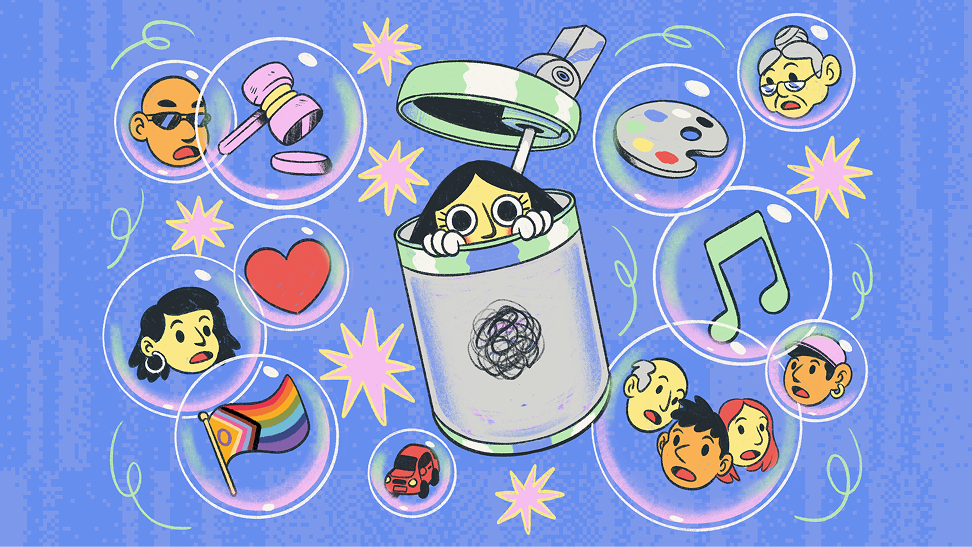
Misinformation is not produced solely by malicious actors: we can all act as agents of misinformation when we interpret, share, or reinforce information based on our own belief systems. Cognitive biases—such as confirmation bias, the availability heuristic, peer pressure, or echo chambers—influence how we perceive reality and what content we consider credible. Recognizing these biases and the influence of our social and cultural contexts is a key step toward understanding the subjective dimension of disinformation and fostering critical citizenship.
How can we identify, minimize, and acknowledge that we are spreading misinformation?
AUDIOVISUAL
GRAPHS
OUR CAMPAIGN REACHED

519.010
people online

496.252
in physical spaces through participatory activities and outdoor advertising.
Misinformation regarding information of public interest
Disinformation regarding matters of public interest refers to the deliberate dissemination of false, misleading, or seriously inaccurate information about issues that directly affect collective life, such as health, democratic processes, security, or public policy. Its severity increases when it is driven by actors with structural power, such as the state, private entities, or the media, due to their greater capacity for amplification and legitimization. In these cases, disinformation can distort individual and collective decision-making, erode public trust, and undermine the exercise of fundamental rights and democracy.
In this project, we examine the government, the media, and advertising agencies as agents of disinformation that undermine the public interest.
RESEARCH
ARTICLES
EDUCATIONAL MANUALS – FANZINES
WE HAVE ALSO PRODUCED
41
videos
92
flyers

2
graffiti
6
public street art installations

1
toolkit
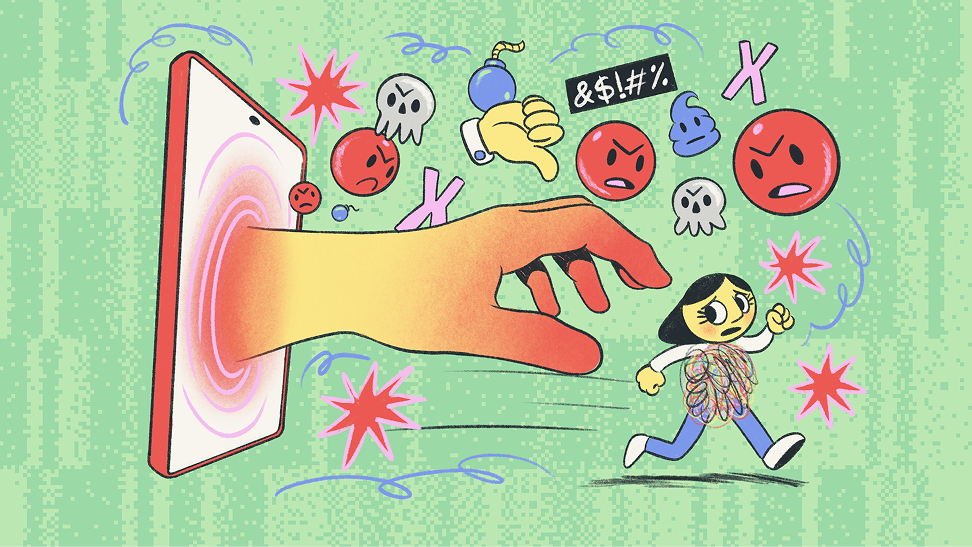
Cybersecurity, personal data, and anti-surveillance